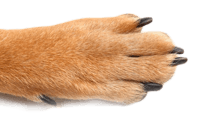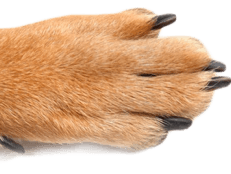

Avhengig av rasen og aktiviteten til hunden din, varierer behovet for klipping. En tommelfingerregel er vanligvis en gang i uken. Her kan du lese hva du skal tenke på og hvordan du kan gjøre det.
Når dere går tur vil harde overflater slik som fortau naturlig slite ned hundens klør noe som gir deg svært lite å jobbe med. Hvis hundens klør ikke slites ned av seg selv kan de derimot brekke, blø eller til og med vokse seg inn i labbene og føre til smerter og ubehag. Hvis den pelskledte vennen din er en senior, vil det føre til smerter å gå på overgrodde klør hvis den lider av leddgikt i labbene.
How to clip your dog’s nails
If your dog hasn’t had their nails clipped before, or if you haven’t clipped dogs’ nails yourself, it can be a strange experience for both of you! However, if you prepare well, keep your dog calm, and follow these simple steps you’ll be done in no time.
And of course, if you’re still not sure, your vet will be happy to help.
Before you start
- If your dog is a bit nervous, stressed or upset about having his nails clipped, or at worst tries to nip you, do not try to clip his nails yourself – it’s fine to ask your vet to do it.
- Most veterinary practices have clinics where dog nail clipping can be done easily and cheaply. This takes the stress away, and you’ll know your dog is being looked after by an expert.
- This is especially true if his nails are very overgrown, have grown into the pad, or you have no one to help you. Trying to do it alone for the first time can be tricky for anyone!
Clipping your dog’s nails
- Had a tutorial from your vet/veterinary nurse? You’re ready to go! First of all, ensure you purchase the correct type of dog nail clippers from your veterinary practice or groomer.
- Only use nail trimmers that have been specifically designed for pets, and ensure they are sharp and well-maintained to make the job as easy as possible.
- Depending on the size of your dog, sit him on your lap, or sit on the floor next to him – he’ll find the closeness reassuring, as well as it being practical.
- Ask a friend or family member to help by holding your dog’s head and providing reassurance. Even if he’s not a fan of having his nail clipped, he’ll probably enjoy the fuss!
- Hold your dog's paws firmly and push lightly on the pads to make the dog nail stick out.
- Starting at the very end of his nail, clip at a 45-degree angle with the cutting end of the nail clipper towards the nail.
Dark dog nails
If you dog has dark nails trim very thin cuttings off the end, as it’s easy to accidentally damage the ‘quick’ or soft part of the nail. If you see a black dot in the centre of his nail, you have reached the quick and should stop cutting right away. Again, your vet or veterinary nurse can help you work out how much nail to remove.
White dog nails
On white dog nails, the quick is in the pink section (which you cannot see in black nails) – again, try hard not to nick it! The quick contains nerves and blood vessels that when nicked will bleed easily.
How often should you clip your dog’s nails?
Dog nail clipping, if necessary at all, should preferably be carried out once a week, but at least twice a month depending on your dog’s needs and how often you walk on roads. It's better to take off small amounts more often than to remove large portions every once in a while.
What to do if your dog’s nails bleed
- Have silver nitrate sticks, which are available from your vet, and cotton wool balls nearby in case you do accidentally nick the dog nail quick.
- If so, and it bleeds, don't panic – it can happen to all of us. Calmly apply the silver nitrate to the end of the claw and press it with a cotton wool ball for a moment.
- If the bleeding doesn’t stop, consult your vet immediately for further help with your dog nail clipping technique.
- Silver nitrate may sting, so ask your helper to hold your dog if the need arises.
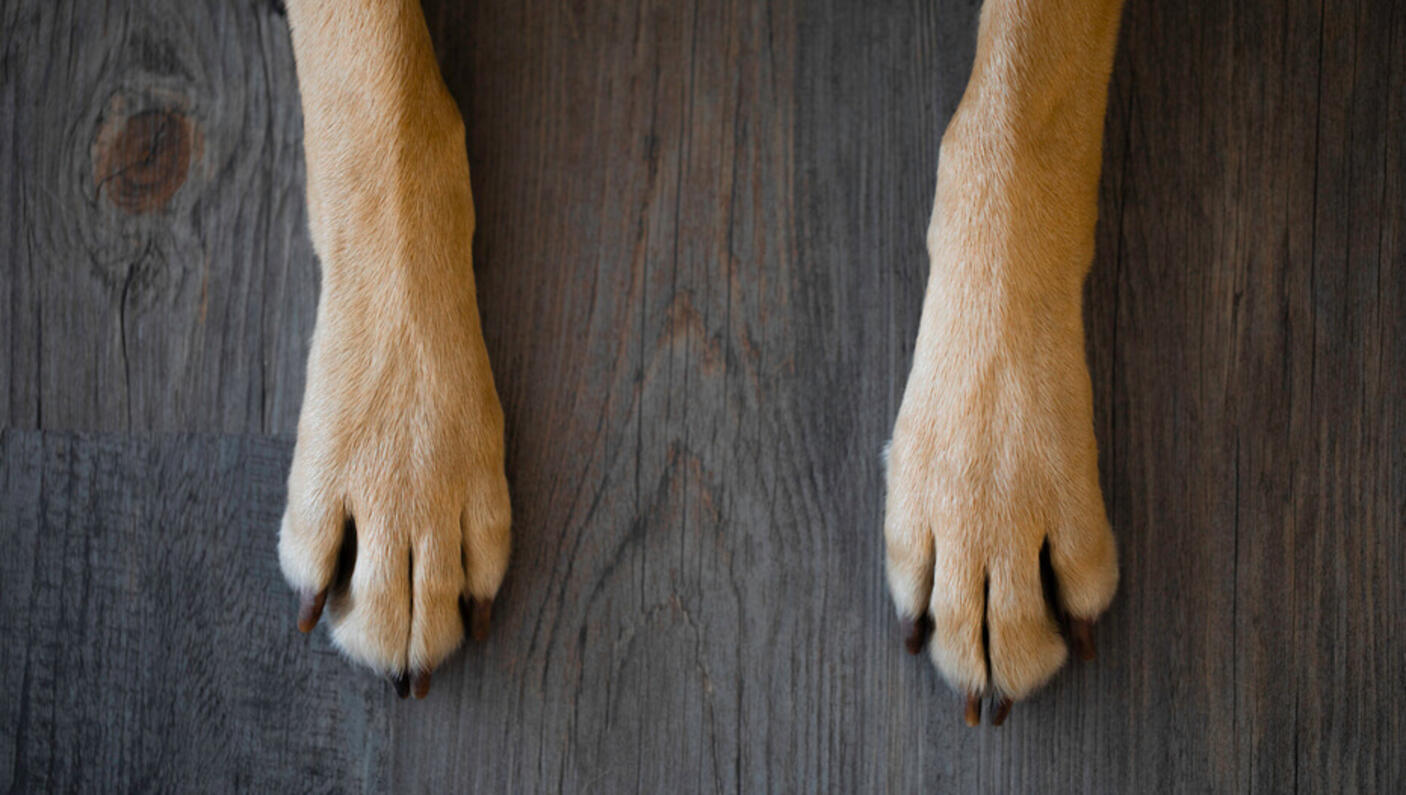
Dog claw trimming tips and tricks
- Remember to trim your dog’s dew claw nail, which is located on the inside of the leg. If left untrimmed, these nails grow into the soft tissue, a bit like an ingrown toenail for us.
- If you’re still a little daunted, don’t worry. The more often you trim them the easier it becomes.
- Teach your pet dog nail trimming from an early age to get him used to having his paws handled – it’s also a fun game for both of you. Play 'pretend trimming' by touching your dog’s paws feet then rewarding him dog with a favourite treat.
- Remember to always reward your dog after nail trimming to make it a positive experience.
- Need another method for older or younger dogs? Use a normal nail file to file the soft toenails of puppies or older dogs with brittle nails, which is less likely to cause pain or bleeding.
- When you check your dog’s nails, also check his paw pads for any cuts or foreign bodies. (Grass seeds are a common pesky problem for some dogs in summertime, as they can lodge between their toes).
- Also check between his toes for any signs of soreness, and as always contact your vet if you find anything unusual.
Cutting your dog’s claws isn’t easy, so don’t feel guilty if you can’t do it. If in doubt, or for further reassurance, consult your vet or vet nurse – they’ll be happy to give you a hand.
Looking for more dog grooming tips? Read our guide on how to groom a dog, next.

Purina Editorial Team